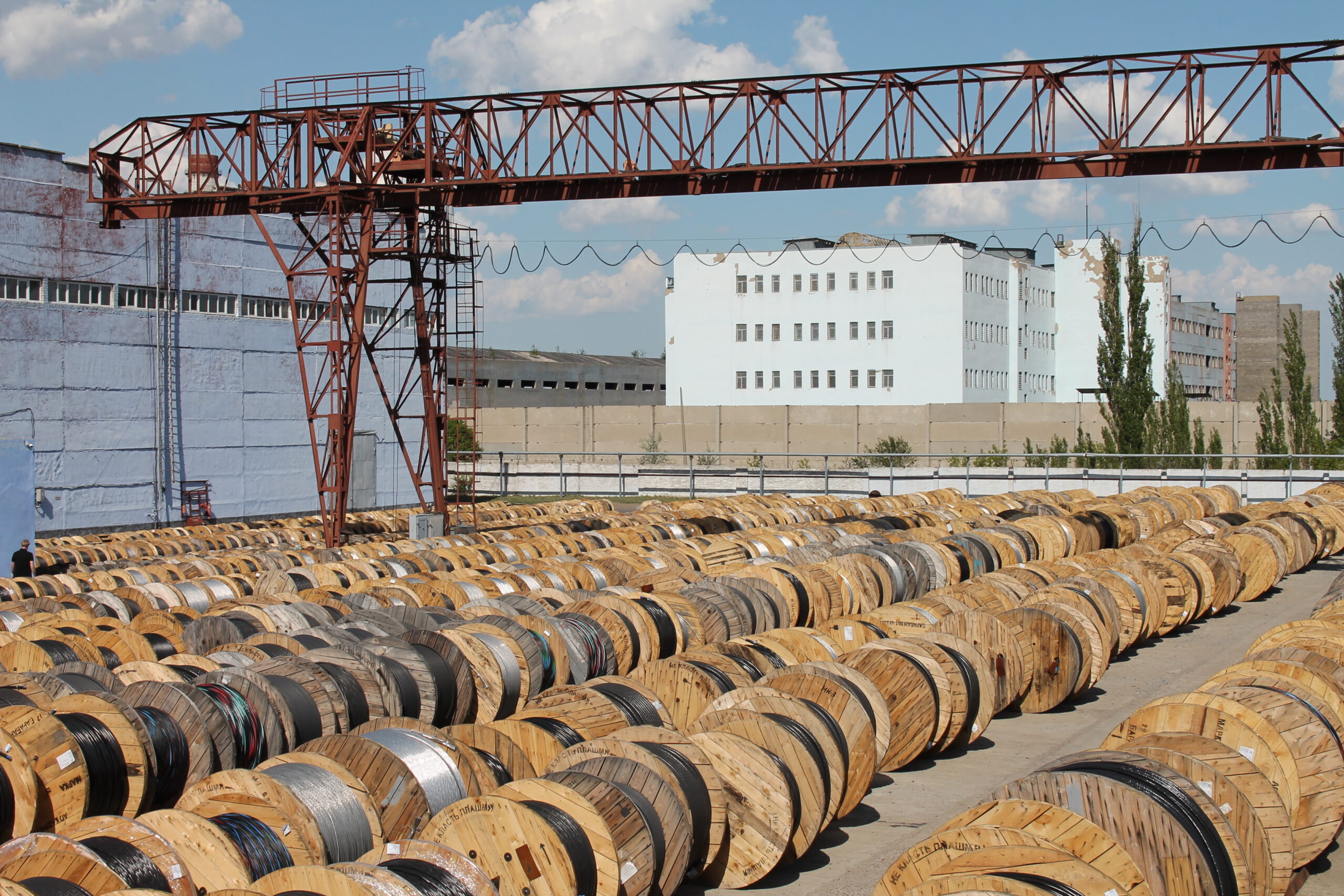
Flexible Metal Conduit: Cable Protection, Types and Installation Rules
In modern construction and industry, exposed wiring requires reliable protection against impact, vibration, moisture and electromagnetic interference. Flexible metal conduit is a universal solution that ensures the integrity of cable lines in the most demanding conditions. This article examines the varieties of metal conduit, its design, connection methods, installation rules and application areas — from domestic supply lines to explosion‑hazardous zones.
1. What is Flexible Metal Conduit: Purpose and Design
Flexible metal conduit is a corrugated tube formed by winding a steel strip with a special profile. This construction gives the conduit both strength and mobility: it bends easily while retaining tensile and compressive rigidity. The internal cavity serves as a channel for routing wires and cables, protecting them from mechanical damage, dust, moisture and electromagnetic interference.
According to their ability to seal gases and liquids, conduits are divided into two main types. Liquid‑tight metal conduit incorporates a seal (usually cotton thread or polymer tape) that prevents moisture and gases from entering the sheath. Non‑liquid‑tight conduit has no seal and is used for mechanical protection of cables in dry premises where isolation from water and aggressive media is not required.
2. Materials of Manufacture: Galvanized, Stainless Steel, PVC Coated
Depending on operating conditions, metal conduits are produced from different materials. Galvanized conduit is the basic solution for most indoor work. The zinc coating protects the steel against corrosion under normal conditions. For aggressive environments (chemical plants, marine climate) stainless steel metal conduit made of AISI 304, AISI 316 or domestic equivalents 12Х18Н10Т is used. Such conduit does not rust, withstands heating up to +700 °C and retains its properties in acidic and alkaline media.
For enhanced protection against moisture and dust, metal conduit with PVC coating is available. The polyvinyl chloride sheath is applied over the metal corrugation, providing a liquid‑tight seal and additional electrical insulation. These conduits have IP66–IP68 protection ratings and are used for routing cables outdoors, in damp basements, tunnels and other locations with a risk of flooding. The PVC sheath may be self‑extinguishing (marked “ng”), which is important for facilities with high fire‑safety requirements.
3. Sizes and Key Parameters: Outer Diameter and Other Characteristics
The main geometric parameter of metal conduit is the nominal size (DN), which corresponds to the internal diameter. The most common sizes range from DN 6 to DN 100 mm. For each size standard values are defined for outer diameter, minimum bending radius, tensile strength and mass per linear metre.
The table below shows parameters for the most in‑demand sizes of galvanized non‑liquid‑tight metal conduits (type Р3‑Ц):
| Nominal size (DN), mm | Internal diameter, mm | Outer diameter, mm | Bending radius, mm | Tensile strength, kgf |
| 6 | 5.1 | 11.3 | 30–35 | 10–30 |
| 8 | 7.8 | 13.6 | 35–40 | 12–40 |
| 10 | 9.1 | 15.9 | 45–55 | 15–45 |
| 12 | 10.9 | 18.3 | 65–75 | 20–70 |
| 15 | 13.9 | 21.9 | 75–85 | 25–80 |
| 20 | 19.1 | 27.9 | 100–110 | 30–100 |
| 25 | 24.2 | 33.8 | 120–135 | 40–120 |
When selecting metal conduit, not only the cable diameter but also the bending radius of the route must be considered. The minimum bending radius depends on the conduit design: for unarmoured versions it is 5–6 outer diameters, for reinforced versions up to 10 diameters.
4. Connection and Installation Methods: Couplings, Fittings, Connectors
To create a continuous cable run, lengths of metal conduit are joined together or connected to equipment using special accessories. Connection of two conduits is made with a connecting coupling (type СММ), which is secured on the ends by compression nuts. For transitioning from metal conduit to rigid pipe or an electrical panel enclosure, threaded fittings (type СТМ) are used.
When connecting to explosion‑protected equipment, special explosion‑proof fittings with seals and an intrinsically safe design are employed. To seal the cable entry into the conduit, glands and heat‑shrinkable tubing are used. Many metal conduits are supplied with a pulling wire — a steel wire inside that simplifies cable installation.
The installation rules for metal conduits are governed by the Electrical Installation Code (ПУЭ). Key requirements:
- The metal conduit shall not be used as an earthing conductor — its metal sheath is not intended to carry fault currents.
- When installed exposed in rooms made of combustible materials (wood, plastic), metal conduit is mandatory for cable protection.
- In outdoor installations the use of metal conduits is restricted due to the small wall thickness (less than 2 mm).
- The route shall be laid with a slope or with drainage holes to allow condensate to escape.
For fixing metal conduit to building structures, special clamps and clips are used, with a spacing not exceeding 0.5–0.8 m depending on the diameter.
5. Application Areas: From Supply Lines to Exhaust Systems
Thanks to their strength and flexibility, metal conduits are used in a wide variety of industries. In electrical engineering they protect cable runs in industrial plants, office and residential buildings. For cables metal conduit preserves insulation integrity under vibration and structural movement.
In heating and gas supply systems, metal conduit is used for flexible connections to appliances — radiators, gas boilers, cookers. Such a connection compensates for thermal expansion and simplifies installation in hard‑to‑reach places. In the automotive and shipbuilding industries, metal conduits protect wiring in conditions of vibration and aggressive environments.
A special type is exhaust metal conduit made of stainless steel, intended for removing hot gases from engines, diesel generators and petrol generators. These conduits withstand temperatures up to +700 °C and absorb vibrations of the exhaust system. Exhaust conduit is also used in smoke extraction and ventilation systems.
For hazardous industries, explosion‑proof metal conduits are produced with a liquid‑tight design and intrinsically safe fittings. They are used for wiring in oil depots, chemical plants, filling stations and other areas where explosive mixtures may form.
6. Comparison of Main Types of Metal Conduits
For easier selection, the comparative table below presents three of the most common types of flexible metal conduits.
| Type | Material | Liquid‑tightness | Temperature range, °C | Primary application |
| Р3‑Ц (galvanized) | galvanized steel | non‑liquid‑tight | –40 to +300 | indoor wiring, dry premises |
| Р3‑Н (stainless) | stainless steel 12Х18Н10Т | non‑liquid‑tight | –40 to +700 | aggressive media, high temperatures |
| МРПИ (PVC coated) | galvanized steel + PVC | liquid‑tight (IP66–IP68) | –40 to +90 | outdoors, damp premises, fire‑hazardous zones |
7. Selection Recommendations
When choosing metal conduit for a specific task, several factors must be considered. For protecting an electrical cable indoors, a galvanized non‑liquid‑tight conduit of suitable diameter is sufficient. For outdoors or wet areas, a model with PVC coating and liquid‑tight design is required. For connecting vibration‑loaded equipment (compressors, pumps), a conduit with a reinforced construction is selected.
For systems involving aggressive media or very high temperatures, stainless steel conduit is used. For gas and exhaust systems — specialized exhaust conduit made of stainless steel, rated for continuous operation under heat. For hazardous areas — explosion‑proof versions with certificates of conformity.
8. Certification and Regulatory Framework
Flexible metal conduits for cable installation are manufactured in accordance with GOST R IEC 61386.1‑2014, which is harmonized with the international standard IEC 61386. Products conforming to this standard undergo tests for mechanical strength, flexibility, corrosion resistance and temperature effects. For explosion‑proof versions additional certificates of conformity to TR CU 012/2011 (on safety of equipment for explosive atmospheres) are issued.
Installation of metal conduits shall be carried out in compliance with the Electrical Installation Code (ПУЭ, Chapter 2.1 “Wiring”) and SP 76.13330.2016. Upon acceptance, the integrity of the conduit, the quality of connections and the presence of earthing conductors (if required) are checked.
9. Advantages of Use
The use of flexible metal conduit offers several key benefits. Flexibility allows routes of any configuration to be installed without using angled fittings. The metal construction ensures high resistance to impact and compression. The conduit effectively screens electromagnetic interference, which is important for wiring of signal and measurement lines. The fire resistance of metal prevents flame propagation in a fire. Durability of the material guarantees a service life of at least 25–30 years.
10. Purchasing Flexible Metal Conduit
The product range is presented in a dedicated section. Follow the link flexible metal conduit to view the full list of sizes and designs. The catalogue includes galvanized, stainless steel and PVC‑coated conduits of various diameters, as well as connection accessories — couplings, fittings, fixing clamps. To select a product for a specific task, use the general catalogue.
11. Conclusion
Flexible metal conduit is a reliable and versatile means of protecting cable lines in construction, industry and power engineering. The variety of materials (galvanized, stainless steel, PVC coated) and sizes allows a solution to be found for any conditions — from dry premises to aggressive environments and explosion‑proof zones. Correct diameter selection, proper installation using connecting couplings and fittings, and compliance with the Electrical Installation Code requirements ensure the longevity and safety of the wiring. The equipment is certified according to GOST R IEC 61386.1‑2014 and can be used for supply connections to equipment, cable protection on moving joints, in exhaust and ventilation systems.